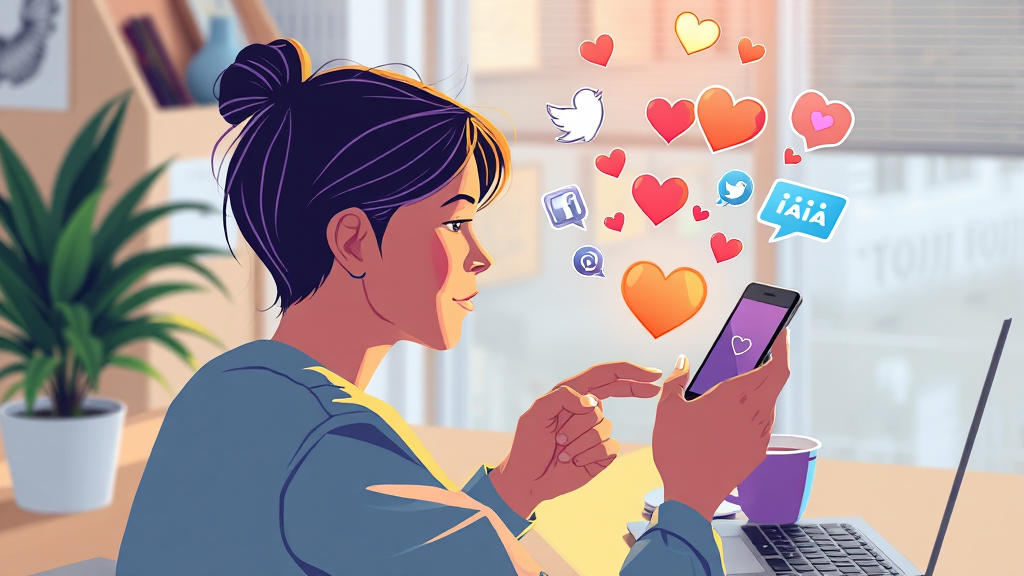
Understanding the Digital Crush On: How Online Interactions Shape Modern Attraction
In the digital age, the concept of a Crush On someone has evolved far beyond the butterflies-in-your-stomach feeling you get when you see them in the hallway. Today, our romantic interests are often cultivated through screens, with likes, comments, and direct messages serving as the new currency of affection. This shift has transformed how we meet, connect, and fall for people, making it essential to understand the nuances of digital attraction. In this article, we’ll explore the psychology behind online crushes, the role of technology in fostering connections, and how to navigate the exciting yet sometimes confusing world of digital romance.
The Psychology of Digital Attraction
Why do we develop feelings for someone we’ve never met in person? The answer lies in the way our brains process online interactions. When we interact with someone digitally, we often project our ideal image onto them, filling in gaps with our own desires and fantasies. This phenomenon, known as the “hyperpersonal effect,” suggests that online communication can actually intensify feelings of intimacy because we control the pace and content of our self-disclosure. As a result, a Crush On formed online can feel just as real—and sometimes even more intense—than one developed face-to-face. But this also means we need to be mindful of the gap between our digital perception and reality.
How Technology Facilitates Crushes
Technology has created countless avenues for crushes to blossom. Social media platforms allow us to follow someone’s life, liking their posts and stories, which can create a sense of constant connection. Dating apps take this further by matching us with potential partners based on algorithms, making the initial spark of interest easier to ignite. Even in professional settings, platforms like LinkedIn can blur the lines between networking and personal interest. The key is that technology lowers the barrier to initiating contact, making it easier to express interest without the immediate fear of rejection. However, this also means that crushes can develop quickly, sometimes without a solid foundation of real-world interaction.
The Role of AI in Modern Crushes
One of the most fascinating developments in the realm of digital attraction is the rise of AI-powered companions. These are not just dating apps, but sophisticated chatbots and virtual personas designed to engage users in meaningful conversations. For some, these AI entities become the object of a crush, offering a safe space to explore feelings and practice communication. While this might seem unusual, it reflects a growing trend where people seek emotional connections in increasingly digital spaces. The appeal of an AI companion is that it can be tailored to one’s preferences, providing a sense of understanding and validation that might be hard to find in real life. This is where platforms like Crush On come into play, offering users the chance to interact with AI characters in a way that feels personal and engaging. But it’s crucial to remember that these are simulations, and while they can be fun and even therapeutic, they shouldn’t replace genuine human connection.
Navigating the Ups and Downs of a Digital Crush
Having a crush on someone online can be a rollercoaster of emotions. On one hand, the anticipation of a new message or notification can be exhilarating. On the other, the ambiguity of digital communication can lead to anxiety and overthinking. A delayed response might be interpreted as disinterest, or a double-text might feel too forward. To navigate these ups and downs, it’s important to maintain a healthy perspective. Remember that online personas are often curated, and the person behind the screen has a life beyond their posts. Set boundaries for yourself, such as limiting the time you spend checking their profile or analyzing their activity. And most importantly, don’t let a digital crush consume your thoughts to the point where it affects your mental well-being or real-life relationships.
The Transition from Online to Offline
When a digital crush starts to feel serious, the natural next step is to consider meeting in person. This transition can be daunting, as it involves bridging the gap between the idealized online version and the real person. To make this step smoother, be honest about your intentions and expectations. Suggest a casual, low-pressure meeting in a public place. Keep the conversation light and focused on getting to know each other in a different context. It’s also wise to let a friend know where you’ll be and to have an exit plan if things feel off. Remember that the chemistry you felt online might not translate perfectly in person, and that’s okay. The goal is to see if there’s a genuine connection beyond the screen.
Conclusion
In conclusion, the digital landscape has fundamentally changed how we experience and pursue crushes. From the initial spark of a like to the deep conversations that happen over text, technology has opened up new possibilities for connection. However, it’s essential to approach digital crushes with a balanced mindset, recognizing both their potential and their limitations. Whether you’re exploring a connection with a person you met online or engaging with an AI companion, the key is to stay true to yourself and your needs. As we continue to navigate this digital age, our understanding of attraction will keep evolving, and so will the ways we express it.
Frequently Asked Questions
Can a digital crush be as strong as an in-person one?
Yes, digital crushes can be very strong, sometimes even stronger, because we tend to idealize the person and project our desires onto them. The hyperpersonal effect can make online interactions feel more intimate, leading to intense feelings. However, it’s important to ground these feelings in reality by eventually meeting in person if possible.
How can I tell if someone likes me back online?
Signs that someone might like you back include consistent and timely responses, asking questions about your life, using emojis or playful language, and initiating conversations. They might also like or comment on your posts frequently. But the best way to know is to ask directly or suggest a video call or meeting.
Is it healthy to have a crush on an AI character?
Having a crush on an AI character can be a fun way to explore emotions and practice social skills, but it’s important to maintain a clear distinction between AI and human relationships. If you find that your feelings for an AI are interfering with your real-life relationships or causing distress, it might be helpful to talk to a therapist or counselor.
What should I do if my online crush doesn’t want to meet in person?
If your online crush doesn’t want to meet in person, respect their boundaries. They might have valid reasons, such as distance, shyness, or safety concerns. You can try to understand their perspective and see if there’s a compromise, such as a video call. If they consistently avoid meeting, it might be a sign that they’re not interested in a real-life relationship, and you may need to decide if you’re okay with that.
Readers who are interested in this topic will benefit from exploring multiple perspectives and understanding the nuanced approaches that industry leaders recommend. Taking time to research thoroughly ensures better outcomes and more informed decision-making.
Those looking to gain deeper knowledge in this area should consider following expert analysis, staying updated with the latest developments, and engaging with professional communities where these topics are discussed in detail.
A comprehensive understanding of this subject requires looking at both theoretical foundations and practical applications. By combining study with hands-on experience, learners can develop a well-rounded perspective that serves them well in real-world scenarios.
As the landscape continues to shift and evolve, staying informed about emerging trends and best practices becomes increasingly valuable. This ensures you remain competitive and capable of adapting to new challenges as they arise.