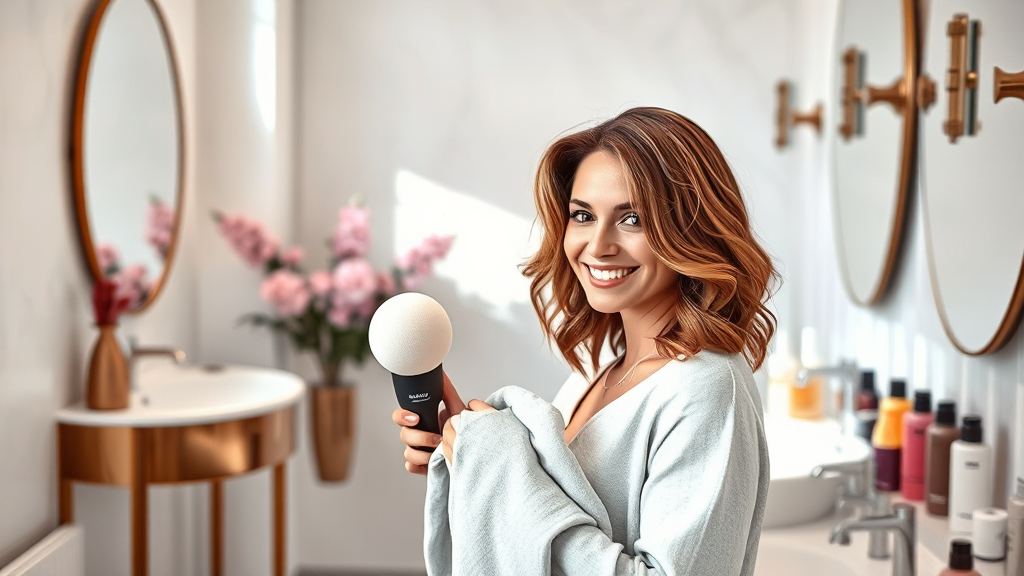
Effortless Elegance: Mastering Wash and Wear Hairstyles for Every Texture
In today’s fast-paced world, spending hours in front of the mirror styling your hair is a luxury many of us simply don’t have. The demand for wash and wear hairstyles has skyrocketed, and for good reason. These styles are designed to look fantastic with minimal effort—just wash, towel-dry, apply a product if needed, and go. Whether you have straight, wavy, curly, or coily hair, there’s a wash-and-wear approach that can save you time while keeping you looking polished and put-together. This guide dives deep into the world of low-maintenance hair, offering tips, tricks, and style ideas that celebrate your natural texture and simplify your daily routine.
What Makes a Hairstyle Truly ‘Wash and Wear’?
A true wash-and-wear hairstyle is one that doesn’t require heat styling, intricate braiding, or complex products to look its best. The cut is the foundation—it’s shaped to work with your hair’s natural growth patterns and texture. Think of a blunt bob that falls perfectly into place, or layers that encourage your waves to form naturally. The goal is to minimize the gap between how your hair looks when wet and how it looks when dry. This often means embracing your hair’s natural state, whether that’s sleek and straight or voluminous and curly.
For those over 60, this concept becomes even more appealing. Hair tends to become drier and more fragile with age, so minimizing heat and manipulation is beneficial. Many salons now specialize in cuts that are specifically designed for this effortless approach. If you’re curious about which styles might suit you best, exploring resources like wash and wear hairstyles can provide inspiration tailored to mature hair needs. The key is to find a cut that frames your face beautifully without requiring constant upkeep.
The Role of Texture: Working With What You Have
Your hair’s natural texture is the single most important factor in determining which wash-and-wear styles will work for you. Straight hair often benefits from blunt cuts or long layers that add movement without requiring styling. A chin-length bob with a slight inward curve can look chic with zero effort. For wavy hair, the goal is to enhance those natural S-curves. A layered cut that removes bulk can help waves spring up and dry beautifully. Curly and coily textures thrive with cuts that respect the curl pattern, such as a deva cut or a curly shag, which allow the hair to shrink and expand naturally without frizz.
Understanding your hair’s porosity and density is also crucial. High-porosity hair may need a heavier product to seal in moisture, while low-porosity hair might do better with lightweight mousses or gels. The beauty of wash-and-wear is that once you find the right combination of cut and product, your routine becomes almost automatic. You’ll learn to trust that your hair will dry into its intended shape, which is incredibly liberating.
Top Wash and Wear Cuts for Different Hair Lengths
Let’s explore some specific cuts that are renowned for their wash-and-wear capabilities:
Short and Sassy: The pixie cut remains a top choice for those wanting ultimate low maintenance. With a good cut, you can simply wash, apply a bit of styling cream, and tousle with your fingers. Another option is the classic crop, which is even shorter and requires almost no styling at all. These cuts are perfect for showing off facial features and are particularly popular among older women who want a youthful, energetic look.
Medium Length Magic: The long bob, or ‘lob’, is incredibly versatile. When cut with subtle layers, it can air-dry beautifully, creating a soft, lived-in look. A shaggy lob is another fantastic choice, especially for those with wavy or curly hair. The shag’s layers work to enhance natural texture and provide movement, making it a favorite among those seeking wash and wear hairstyles that don’t require constant fussing.
Long and Loose: If you prefer longer hair, consider long layers that start below the chin. This prevents the hair from looking too heavy and allows waves to form naturally. A U-shaped cut, where the hair is slightly longer in the back, can also help the hair fall beautifully when air-dried. The secret is to avoid too many blunt ends, which can make hair look stringy when not styled.
Product Essentials for Effortless Air-Drying
Even the best wash-and-wear cut needs a little help from the right products. The goal is to enhance your natural texture, not fight it. Here are some essentials:
- Leave-in Conditioner: This is non-negotiable. It detangles, adds moisture, and helps prevent frizz. Apply it to damp hair after washing, focusing on the mid-lengths and ends.
- Styling Cream or Mousse: For wavy and curly hair, a styling cream or mousse helps define curls and provide hold. Work it through the hair with scrunching motions to encourage curl formation.
- Hair Oil or Serum: For straight hair, a lightweight oil or serum can add shine and smooth flyaways. For curlier textures, a few drops of oil can help seal in moisture and reduce frizz.
- Sea Salt Spray: This is a great option for creating beachy waves on straight or wavy hair. Spray it onto damp hair and scrunch for a relaxed, textured look.
The key is to experiment and find what works for your specific hair type. Don’t be afraid to mix and match products until you achieve that perfect air-dried finish.
Overcoming Common Wash and Wear Challenges
Even with the right cut and products, you might encounter some challenges. Frizz is a common complaint, especially in humid weather. To combat this, try applying your styling products in the shower while your hair is still soaking wet—this helps lock in moisture. Another issue is that hair can sometimes look flat or lacking in volume when air-dried. To add volume, try flipping your head upside down while blow-drying your roots on a cool setting for just a few minutes. This gives a gentle lift without causing heat damage.
For those with very thick or coarse hair, air-drying can take a long time. To speed up the process, you can use a diffuser on a low heat setting to partially dry your hair, then let it finish air-drying. This can help maintain the natural wave pattern while reducing drying time. Remember, wash-and-wear doesn’t mean you can never use a tool—it just means you don’t have to rely on them for your everyday look.
Seasonal Adjustments to Your Routine
Your wash-and-wear routine may need to change with the seasons. In the summer, humidity can cause frizz, so you might need to use more anti-humidity products. In the winter, indoor heating can dry out your hair, so a heavier leave-in conditioner or a weekly deep conditioning treatment might be necessary. Pay attention to how your hair responds to the weather and adjust your product choices accordingly. This proactive approach ensures that your hair always looks its best, regardless of the forecast.
Also, consider your lifestyle. If you’re a frequent swimmer, you’ll need to protect your hair from chlorine and saltwater. A quick rinse with fresh water before swimming can help minimize damage. After swimming, use a clarifying shampoo once a week to remove buildup and follow with a hydrating conditioner.
Embracing Your Natural Beauty with Confidence
Ultimately, the beauty of wash-and-wear hairstyles lies in their ability to let your natural beauty shine. When you’re not constantly fighting your hair, you have more time and energy to focus on other things. You’ll feel more confident knowing that you look good with minimal effort. Whether you’re in your 20s or your 70s, there’s a wash-and-wear style that can make you feel fabulous. For more inspiration and guidance, be sure to check out the latest trends and tips at wash and wear hairstyles to find the perfect look for your lifestyle.
Frequently Asked Questions
What is the easiest wash-and-wear hairstyle for beginners?
The easiest is often a blunt bob or a long bob (lob) that falls just below the chin or collarbone. These cuts require minimal styling and naturally fall into place when air-dried. Add a texturizing spray for extra volume if needed.
How often should I wash my hair if I use a wash-and-wear routine?
It depends on your hair type and scalp. Most people can wash every 2-3 days. If you have very curly or coily hair, you might stretch it to once a week. Over-washing can strip natural oils, so listen to your hair’s needs.
Can wash-and-wear hairstyles work for very thick or very fine hair?
Absolutely. For thick hair, ask for layers to reduce bulk and encourage natural movement. For fine hair, a blunt cut can create the illusion of density, and using a volumizing mousse at the roots can add lift.
What products should I avoid for a wash-and-wear look?
Avoid heavy waxes, gels, or pomades that can weigh hair down or create a stiff, crunchy texture. Also, be wary of products with high alcohol content, as they can dry out hair and cause frizz.
Readers who are interested in this topic will benefit from exploring multiple perspectives and understanding the nuanced approaches that industry leaders recommend. Taking time to research thoroughly ensures better outcomes and more informed decision-making.
Those looking to gain deeper knowledge in this area should consider following expert analysis, staying updated with the latest developments, and engaging with professional communities where these topics are discussed in detail.
A comprehensive understanding of this subject requires looking at both theoretical foundations and practical applications. By combining study with hands-on experience, learners can develop a well-rounded perspective that serves them well in real-world scenarios.
As the landscape continues to shift and evolve, staying informed about emerging trends and best practices becomes increasingly valuable. This ensures you remain competitive and capable of adapting to new challenges as they arise.