How to Find Your Best Colors: A Personalized Guide to a Flawless Palette
Have you ever tried on a shirt that instantly made your skin look dull, or a lipstick that seemed to drain all the life from your face? The culprit isn’t the garment or the makeup—it’s the color. The shades we wear have a profound impact on our overall appearance, influencing how bright our eyes look, how even our skin tone appears, and how radiant we seem. Learning to find your best colors is one of the most transformative steps you can take in your beauty routine. It’s not about following trends or copying your favorite celebrity’s style; it’s about understanding your unique undertones and building a wardrobe and makeup collection that works in harmony with your natural coloring.
For years, the fashion and beauty industry has leaned on the concept of seasonal color analysis, a system that categorizes individuals into spring, summer, autumn, or winter palettes. While this framework is helpful, it’s just the starting point. True color discovery is a deeply personal journey that involves looking at your skin, eyes, and hair in natural light and experimenting with a range of hues to see what truly makes you glow. In this guide, we’ll walk you through the science and art of color selection, offering practical tips and insights that will help you build a more intentional and flattering closet.
Understanding Your Skin’s Undertone: The Foundation of Color Selection
Before you dive into a sea of fabric swatches, you need to understand the subtle (or sometimes not-so-subtle) undertone of your skin. Undertone is the color that comes through from underneath the surface of your skin, and it remains constant regardless of whether you tan or burn. There are three primary undertones: cool, warm, and neutral. Cool undertones have hints of blue, pink, or purple; warm undertones lean toward yellow, peach, or golden; and neutral undertones are a mix of both.
One of the simplest tests to determine your undertone is the vein test. Look at the veins on the inside of your wrist in natural light. If they appear blue or purple, you likely have a cool undertone. If they look greenish, you have a warm undertone. If you can’t quite tell, you might be neutral. Another test involves holding a piece of white paper next to your bare face. If your skin looks yellow or golden against the white, you’re warm; if it looks rosy or blue-ish, you’re cool. Neutral undertones often find that both silver and gold jewelry look equally good on them.
Understanding your undertone is the first step to finding ways to find your best colors. Once you know whether you’re cool, warm, or neutral, you can begin to narrow down your palette. For instance, if you have a cool undertone, colors with blue or purple bases—like emerald green, royal blue, and true red—will likely complement you. Warm undertones, on the other hand, shine in earthy tones like terracotta, olive, and mustard. Neutral undertones have the luxury of being able to pull off both, though they may find that muted, dusty versions of colors work best.
The Role of Hair and Eye Color in Your Personal Palette
While skin undertone is the foundation, your hair and eye color play a significant role in determining your best shades. These features create contrast and depth, which influence how colors interact with your face. For example, someone with fair skin, light blue eyes, and platinum blonde hair has a very different coloring than someone with the same skin tone but dark brown hair and brown eyes. The former is often considered low contrast, while the latter is high contrast, and they will shine in different color families.
If you have high contrast features—dark hair and light eyes, or very dark skin with bright white eyes—you can often handle bold, saturated colors with ease. Think jewel tones like sapphire, amethyst, and ruby. These colors echo the intensity of your natural features. Conversely, if you have low contrast features, such as light hair, light eyes, and fair skin, you may find that softer, more muted shades are more flattering. Pastels, dusty rose, and heather gray can create a harmonious look without overwhelming your delicate coloring.
Your hair color also matters, but don’t assume that all brunettes are warm or all blondes are cool. A brunette with a reddish tint has warm undertones, while a brunette with an ashy, almost gray tone is cool. Similarly, a blonde with golden highlights is warm, but a platinum blonde with a silver sheen is cool. When you’re testing colors, hold them up to your face and observe how they affect your hair. If your hair looks dull or lifeless next to a certain color, that hue is not for you. If your hair seems to gleam and your eyes brighten, you’ve found a winner.
Seasonal Color Analysis: A Modern Framework for Your Wardrobe
You’ve probably heard of the four seasons—spring, summer, autumn, and winter—in the context of color analysis. This system, popularized in the 1980s and now experiencing a resurgence on social media, categorizes individuals into one of 12 or 16 subtypes based on their undertone and contrast. While it’s not a strict science, it can be an incredibly useful tool for organizing your thoughts and experimenting with new shades.
Spring palettes are warm and bright, featuring colors like coral, peach, and warm yellow. Summer palettes are cool and soft, with dusty blues, lavenders, and rose pinks. Autumn palettes are warm and earthy, including olive, rust, and mustard. Winter palettes are cool and vivid, with stark black, white, and jewel tones. If you’re unsure where to start, take an online quiz or consult a professional color analyst. However, remember that these categories are guidelines, not rules. You may find that you’re a “soft autumn” but still look amazing in a particular winter blue.
The key is to use the seasonal framework as a springboard for your own exploration. For instance, if you identify as a summer, you might experiment with a range of cool-toned pastels and dusty shades. But don’t be afraid to step outside your season and try something unexpected. The ultimate goal is to build a BeautyLiesTruth color guide that is uniquely yours, not to fit into a predefined box. The best color analysis is the one that makes you feel confident and beautiful.
Practical Tips for Testing Colors on Yourself
Now that you have a theoretical understanding of color analysis, it’s time to put it into practice. The best way to find your best colors is to test them directly on your skin, in natural light, without any makeup. This allows you to see the true effect of each hue on your complexion. Here’s a step-by-step approach to conducting your own color analysis at home.
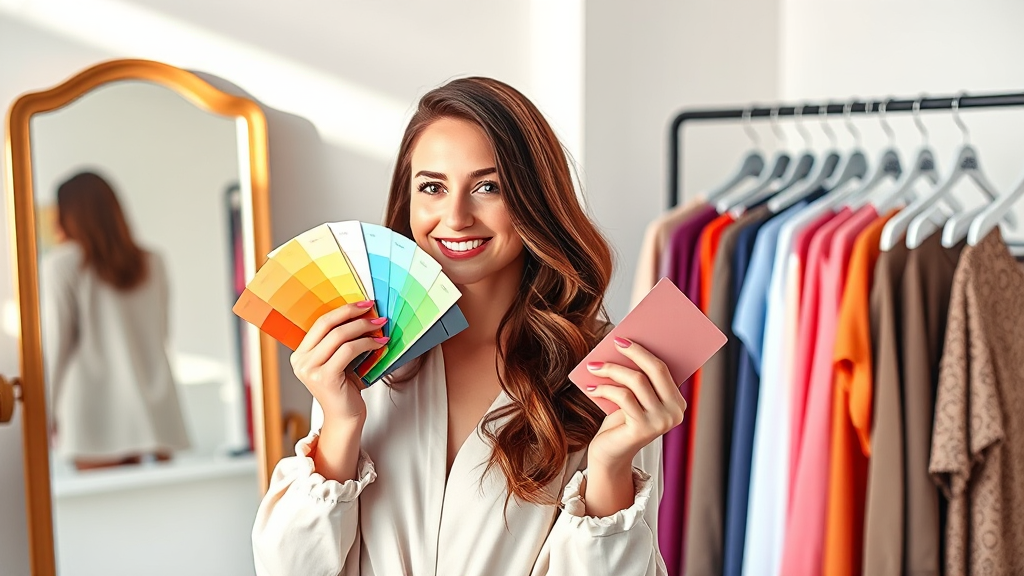
First, gather a variety of fabric swatches or clothing items in different colors. If you don’t have a wide range, visit a fabric store and pick up small pieces of solid-colored fabric in a rainbow of shades. Next, stand in front of a large mirror in a room with plenty of natural light. Pull your hair back so it’s off your face, and remove any jewelry or makeup. Then, one by one, hold each fabric up to your face, placing it just under your chin. Observe how the color affects your skin tone, the brightness of your eyes, and the overall harmony of your features.
As you test, take notes. Which colors made your skin look clearer and more even? Which ones made you look tired or sallow? Pay attention to the intensity as well as the hue. A bright red may be too overpowering, while a muted brick red could be perfect. Similarly, a pastel blue might wash you out, but a deeper navy could be stunning. Over time, you’ll start to notice patterns and can begin to curate a list of your go-to shades. This process is the core of the color palette discovery, and it’s both fun and enlightening.
Building a Capsule Wardrobe Around Your Best Colors
Once you’ve identified your most flattering colors, the next step is to integrate them into your daily life. A capsule wardrobe—a collection of essential items that you can mix and match—is a fantastic way to ensure you always look polished and put-together. When you build your capsule around your best colors, you eliminate the guesswork and create a cohesive, versatile closet that works for any occasion.
Start by choosing a neutral base. If you have cool undertones, your neutrals might include black, navy, gray, and white. If you’re warm, you might prefer beige, cream, olive, and brown. Then, add a few accent colors from your personal palette. For instance, a cool-toned person might add a sapphire blue blouse, an emerald green sweater, and a magenta scarf. A warm-toned person might choose a terracotta top, a mustard cardigan, and a coral dress. The idea is to have a mix of solid colors that you can easily pair together.
Don’t forget about accessories and makeup. Your best colors should extend beyond clothing to the jewelry you wear and the cosmetics you apply. If you’re cool-toned, silver and white gold will likely look better than yellow gold. For makeup, choose foundations with a pink or neutral base, and opt for lipsticks in berry, rose, or blue-red shades. Warm-toned individuals should reach for gold jewelry and makeup with yellow or peach undertones, like coral lipsticks and warm brown eyeshadows. By aligning your entire look with your personal palette, you create a seamless, radiant appearance.
Common Mistakes to Avoid When Choosing Colors
Even with a solid understanding of color theory, it’s easy to fall into common traps. One of the biggest mistakes is relying solely on your hair color or eye color without considering your skin undertone. For example, a woman with naturally red hair might assume she should wear warm colors, but if her skin has pink undertones, she may actually look better in cool tones. Always let your skin be your guide.
Another pitfall is ignoring the effect of fabric texture and sheen. A color can look completely different in a matte cotton than in a shiny silk. The way light reflects off a glossy fabric can alter its perceived hue. When testing colors, try to use fabrics with similar textures to what you’d typically wear. Also, be mindful of the lighting in your environment. The harsh fluorescent lights of a dressing room can distort colors, so always try to step outside or near a window to see the true effect.
Finally, don’t be too rigid in your approach. Color analysis is a tool, not a prison. If you love a color that isn’t in your “season,” wear it anyway. Fashion is a form of self-expression, and confidence is the most attractive quality of all. Use your personal palette as a guide, but don’t be afraid to break the rules occasionally. The goal is to feel good in what you wear, and that’s ultimately about your own happiness.
Frequently Asked Questions
How do I know if I have warm or cool undertones?
You can determine your undertone using the vein test, the white paper test, or by seeing which metal jewelry looks better on you. Green veins, yellow skin against white paper, and gold jewelry flattering you indicate warm undertones. Blue veins, rosy skin, and silver jewelry flattering you suggest cool undertones. If you see a mix, you’re likely neutral.
Can I wear colors outside of my seasonal palette?
Absolutely. Seasonal color analysis is a guideline, not a strict rule. You can absolutely wear colors outside your palette if you love them. The key is to adjust the shade, saturation, or how you style the color. For instance, if a bright orange isn’t flattering, you might still wear a muted terracotta or use orange as an accessory.
How often should I re-evaluate my best colors?
Your coloring can change over time due to aging, hair color changes, and even weight fluctuations. It’s a good idea to re-evaluate your palette every few years or whenever you make a significant change to your hair color. Also, as trends evolve, you may find new shades that work for you, so keep an open mind.
What is the quickest way to find my best colors?
The quickest way is to take an online color analysis quiz or consult a professional. However, you can also do a simple test at home by holding different colored fabrics to your face in natural light. Pay attention to which ones make your skin look radiant and which ones make you look dull. Over time, you’ll naturally gravitate toward your best colors.
Finding your best colors is a journey of self-discovery that can have a profound impact on your confidence and style. By understanding your undertones, experimenting with different shades, and building a wardrobe that reflects your unique beauty, you can ensure that you always look and feel your best. Remember, the ultimate goal is to wear colors that make you shine, not to conform to a set of rules. So go ahead, take the time to explore, and let your true colors come through.